Small Upgrades, Big Utility Savings at Home

We’re diving into Home Energy Tune-Up: Low-Cost Fixes with High ROI on Utilities, showing how quick, inexpensive changes deliver lasting comfort and measurable savings. Expect practical steps, tiny tools, and real examples you can finish this weekend. Track progress, celebrate improvements, and share results with our community so more households waste less energy, lower bills, and breathe easier together throughout every season.

Find the Drafts in Minutes

Use a lit incense stick, tissue, or handheld smoke pen on a breezy day to reveal invisible air movement around trim, outlets, and door frames. Mark trouble spots with painter’s tape. A simple, systematic walkthrough creates a prioritized sealing plan, turning guesswork into confident action and preventing wasted materials while ensuring each tiny fix contributes to measurable comfort and savings.

Seal Doors and Windows for Lasting Gains

Replace brittle weatherstripping, add an adjustable door sweep, and caulk gaps where casing meets walls. Focus on clean, dry surfaces and consistent beads to prevent cracking. Many readers report immediately quieter rooms and fewer cold corners. These low-cost supplies typically pay back within months, especially in climates with strong winds or big seasonal swings, creating a durable barrier against wasteful energy loss.

Thermostat Tweaks That Save All Year

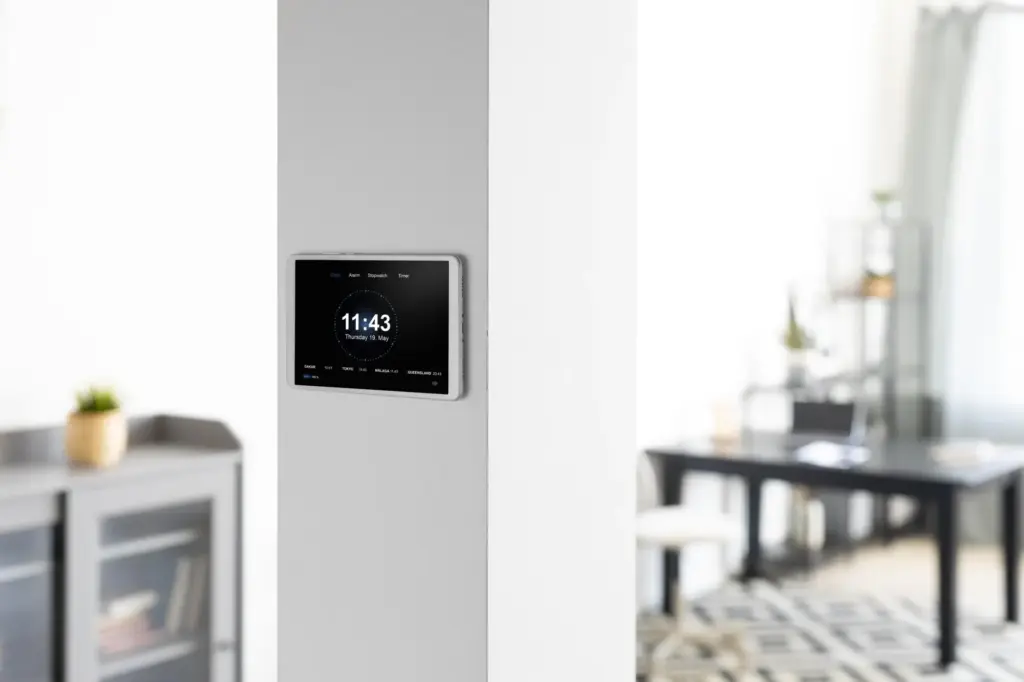
Thoughtful scheduling cuts bills without sacrificing comfort. Turning settings back 7–10°F for eight hours can save roughly 8–10% annually on heating and cooling, especially with consistent routines. Smart thermostats make it easier, using sensors and gradual adjustments. Start conservative, review weekly energy reports, then fine-tune for mornings, evenings, and sleep to lock in dependable, low-effort savings every single month.

Lighting That Pays You Back

LED bulbs use far less electricity than incandescents and last much longer, offering one of the fastest household paybacks. Begin with high-use fixtures: kitchens, family rooms, exteriors, and work spaces. Pair upgrades with dimmers or occupancy sensors where appropriate. Lower heat output also eases summer cooling demand, multiplying benefits while maintaining excellent color quality and consistent brightness across your favorite rooms.

Hot Water, Cool Costs

Water heating often ranks as the second-largest home energy expense. Simple adjustments—lowering temperature to 120°F, insulating the tank and first six feet of hot and cold pipes, and installing efficient showerheads—deliver outsized returns. These improvements feel good daily, reduce scald risk, shorten recovery times, and trim both energy and water bills, creating immediate savings people actually notice and appreciate.

Kill Phantom Loads and Tame Appliances

Electronics sip power even when idle. Group televisions, gaming consoles, and streaming boxes on smart power strips that shut off accessories when the main device powers down. Shift laundry to cold cycles, air-dry when possible, and run dishwashers full. These behavioral tweaks cost almost nothing yet steadily reduce bills, reinforcing a culture of awareness and daily, compounding energy wins.

Smart Strips and Off-When-Done Routines

Choose a master-controlled power strip for entertainment centers so accessories follow the TV. Use individual smart plugs for rarely used devices and schedule true off periods overnight. Post a tiny reminder near chargers to unplug when batteries finish. Over weeks, these micro-habits become automatic, clipping needless consumption while keeping everything convenient, safe, and aligned with your family’s entertainment and work rhythms.

Fridge, Laundry, and Dishwasher Habits

Set the refrigerator to recommended ranges, keep coils clean, and maintain gasket seals. Wash clothes in cold when possible, spinning thoroughly to shorten drying time. Run dishwashers on eco cycles, air-dry if available, and always operate with full loads. Together, these practical habits generate quick, recurring savings without new purchases, especially when everyone participates and agrees on a simple, sustainable routine.

HVAC Tune-Up You Can Do Today

Regular maintenance multiplies the return on every other improvement. Replace dirty filters, clear supply and return vents, vacuum registers, and gently clean accessible coils. Seal reachable duct joints with mastic or foil tape rated for ducts. Lower system strain means quieter operation, fewer breakdowns, more even temperatures, and tangible monthly savings without calling a contractor for every little adjustment.

Filters, Coils, and Clear Airflow

Check filters monthly and replace when dirty—clean filters protect equipment and avoid wasted runtime. Vacuum return grilles, move furniture blocking vents, and clean accessible condenser fins with a soft brush and garden hose, safely avoiding electrical components. Improved airflow reduces noise and short-cycles, offering immediate comfort benefits and lower bills. Add quick calendar reminders so these easy wins never slip again.

Seal Ducts Where You Can Reach

Unfinished basements, crawlspaces, or garages often expose leaky duct joints. Use water-based mastic or UL-listed foil tape to seal seams and connections. Even partial sealing in reachable areas improves delivery and reduces dust. Combine with basic insulation sleeves where practical. Many households report steadier rooms after a single afternoon, gaining real comfort while helping the system work less to do more.

Shade, Sun, and Seasonal Settings

Use blinds and curtains thoughtfully: block summer sun during peak hours and welcome winter light for passive warmth. Adjust ceiling fans—counterclockwise in summer, clockwise on low in winter—to enhance comfort at milder thermostat settings. These simple cues reduce load on the system, smoothing comfort across rooms. Record what works and share photos of window strategies that deliver noticeable day-to-day improvements.

Walkthrough Checklist and Five Senses

Listen for whistling leaks, feel for drafts, and sniff out musty zones suggesting moisture or poorly sealed penetrations. Observe condensation, dust trails near ducts, and sun patterns heating certain rooms. This sensory audit, paired with a short checklist, uncovers immediate, low-cost opportunities. Tackle two items today, two next week, and share your before-and-after snapshots to encourage neighbors and friends to join.

Monthly Scorecard for Motivation

Create a simple scorecard listing thermostat schedules, filter changes, weatherstripping status, lighting upgrades, and water temperature. Add utility usage and costs, then note actions completed. Seeing progress month-to-month boosts motivation and highlights the best returns. Celebrate small wins publicly in your household chat, and encourage everyone to suggest the next micro-upgrade, turning savings into a collaborative, rewarding household habit.
Xaritarilivovarokiramexodavo
Privacy Overview

This website uses cookies so that we can provide you with the best user experience possible. Cookie information is stored in your browser and performs functions such as recognising you when you return to our website and helping our team to understand which sections of the website you find most interesting and useful.