
Swap cold glare for cozy evenings by tuning color temperature from crisp 5000K for focused tasks to a candlelike 2700K for winding down. Affordable bulbs from brands like TP‑Link Kasa, Wyze, and IKEA often land under twenty dollars, especially during sales. Pair them to voice assistants and watch weeknights instantly feel calmer, kinder, and more you.
Create weekday routines that slowly brighten before your alarm, then dim automatically to a reading level after dinner. Motion in hallways can guide your steps at night without blasting your eyes. These habits reduce late‑night fumbles, support circadian rhythms, and help roommates keep different sleep schedules in peace without negotiations or passive‑aggressive sticky notes.
Look for bulbs supporting 2.4 GHz Wi‑Fi and energy usage around nine watts or less for serious savings. Dimmable white bulbs are the best bargain, while entry‑level color models add holiday fun without breaking the bank. Check for Matter compatibility if possible, so your investment keeps working nicely even when ecosystems evolve or roommates bring different hubs.
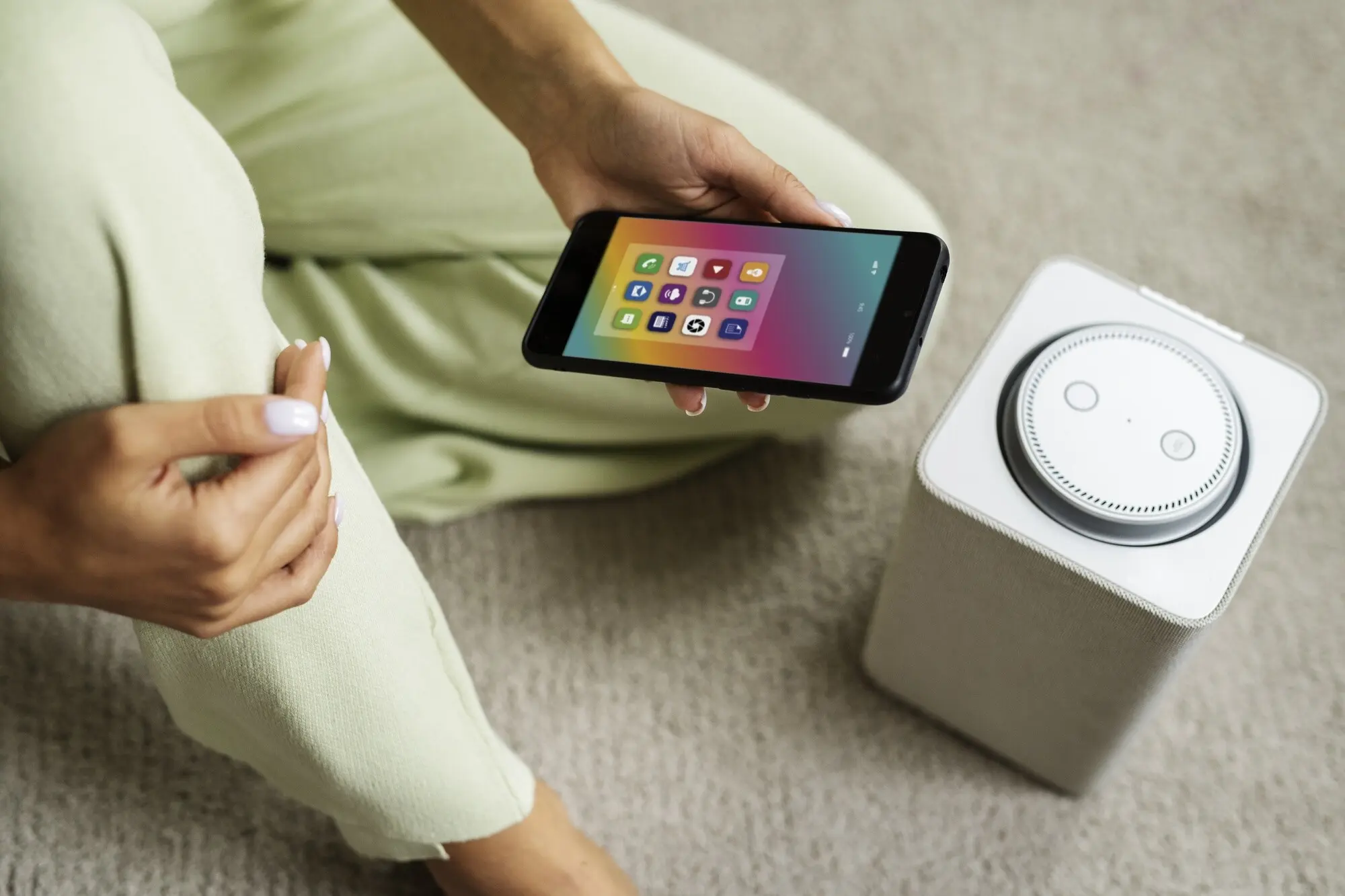
Teach the assistant different voices so calendars, messages, and reminders stay private. Then layer personal routines: one person can say goodnight to dim lights and start a sound machine, while another queues a podcast and kettle. It respects boundaries, reduces accidental triggers, and keeps shared living harmonious even when schedules and tastes diverge dramatically every week.
Pick models with physical mic mute buttons and clear indicator lights. Review settings to disable unneeded features, auto‑delete voice history, and limit third‑party skills. Keep units away from doors and windows to avoid stray activations. Good habits amplify low prices: responsible placement, transparent controls, and honest awareness turn tiny speakers into truly respectful roommates.
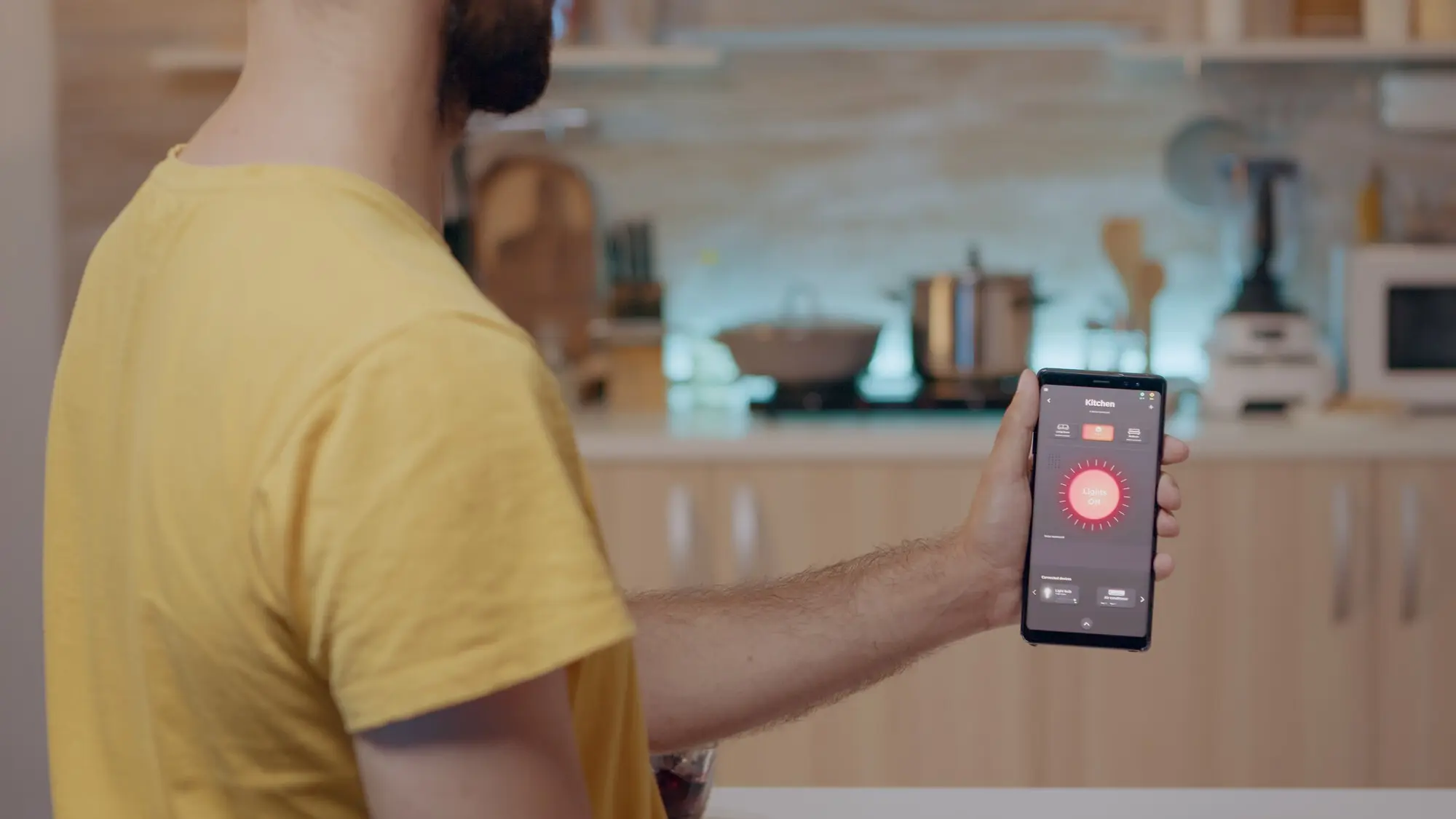
Messy hands? Say simmer lights to shift brightness while stirring. Hosting? Create a welcome scene that softens lamps and starts a chill playlist as friends arrive. Bedtime? One phrase can lock routines, lower volume, and arm gentle sensors. Little scripts feel luxurious, require no tools, and cost less than a streaming subscription for the month.
Use Command strips, low‑profile velcro, and reusable nano tape to place sensors, lightweight cameras, and remotes. Label the backs so you remember matching pieces when moving. When it is time to go, warm the adhesive, pull slowly, and smile at unblemished paint. Landlords appreciate care, and you keep hardware ready for your next address.
Paintable cord raceways and corner channels route power neatly to lamps and speakers. Add small cable clips behind desks to tame chargers, then group lines with soft Velcro straps for easy swaps. The room feels calmer in minutes. You will notice concentration improve, cleaning speeds up, and guests ask how everything suddenly looks professionally arranged.
If you cannot change a wall switch, a budget micro‑robot like SwitchBot can press it physically without altering anything. Pair to a hub or phone for schedules, bedtime lights, or fan control. It is delightfully scrappy, costs well under a security deposit, and turns stubborn fixtures cooperative while keeping your lease and paint completely intact.
Ten minutes before your alarm, fade a bedside bulb from one percent to twenty‑five, then start a low‑volume station. In winter, add a plug to warm a kettle. This soft choreography beats blaring buzzers, and your body thanks you with calmer mornings, steadier focus, and far fewer snoozes that accidentally ambush your schedule every weekday.
When your phone nears home Wi‑Fi, turn on an entry lamp at thirty percent and briefly power a plug‑in diffuser. If a contact sensor sees the door open after sunset, bump brightness to fifty for safety. The ritual dissolves hallway stress, works in tiny studios or shared flats, and never requires drilling, permits, or awkward approvals.
At bedtime, a voice phrase can turn off bright fixtures, dim the bedside bulb, and start a fan via smart plug for white noise. If motion is quiet for twenty minutes, reduce speed automatically. Gentle consistency cues your brain to rest, and you will wake feeling restored without touching a single switch in the dark.

Read clauses about alterations, fixtures, and surveillance. Avoid drilling, and never point cameras at doors you do not control. If maintenance needs entry, disable automations temporarily and communicate clearly. Thoughtful boundaries keep everyone comfortable, while your reversible setup proves that modern convenience and rule‑following can coexist beautifully, even in century‑old buildings with delicate quirks.
Automations should lower impact, not raise it. Set quiet hours, keep voice responses soft, and avoid bass‑heavy sounds late at night. Hallway motion lights should not spill under doors. When in doubt, ask. A simple conversation can prevent misunderstandings and turns smart living into community‑minded living, which feels better than any spec sheet ever could.
Before moving, factory‑reset each device, coil cables neatly, and label boxes by room for a fast setup at the new place. Keep a tiny kit with spare adhesives and zip ties. The smoother your reinstallation, the sooner routines return, proving these under‑$100 upgrades are investments in continuity, not clutter that drifts from lease to lease.